Wildlife Control Explained: Essential Strategies and Dead Animal Removal Services
Wildlife control encompasses approaches intended to regulate animal populations and maintain secure surroundings. Recognizing the effects of typical wildlife intruders is crucial for property owners. Reliable prevention strategies can substantially lower the chances of wildlife incidents. Additionally, the timely removal of dead animals is critical for health and safety. Despite this, many people lack awareness of the critical factors in successful wildlife control and the necessity of professional intervention. What measures can be implemented to protect households and neighborhoods?
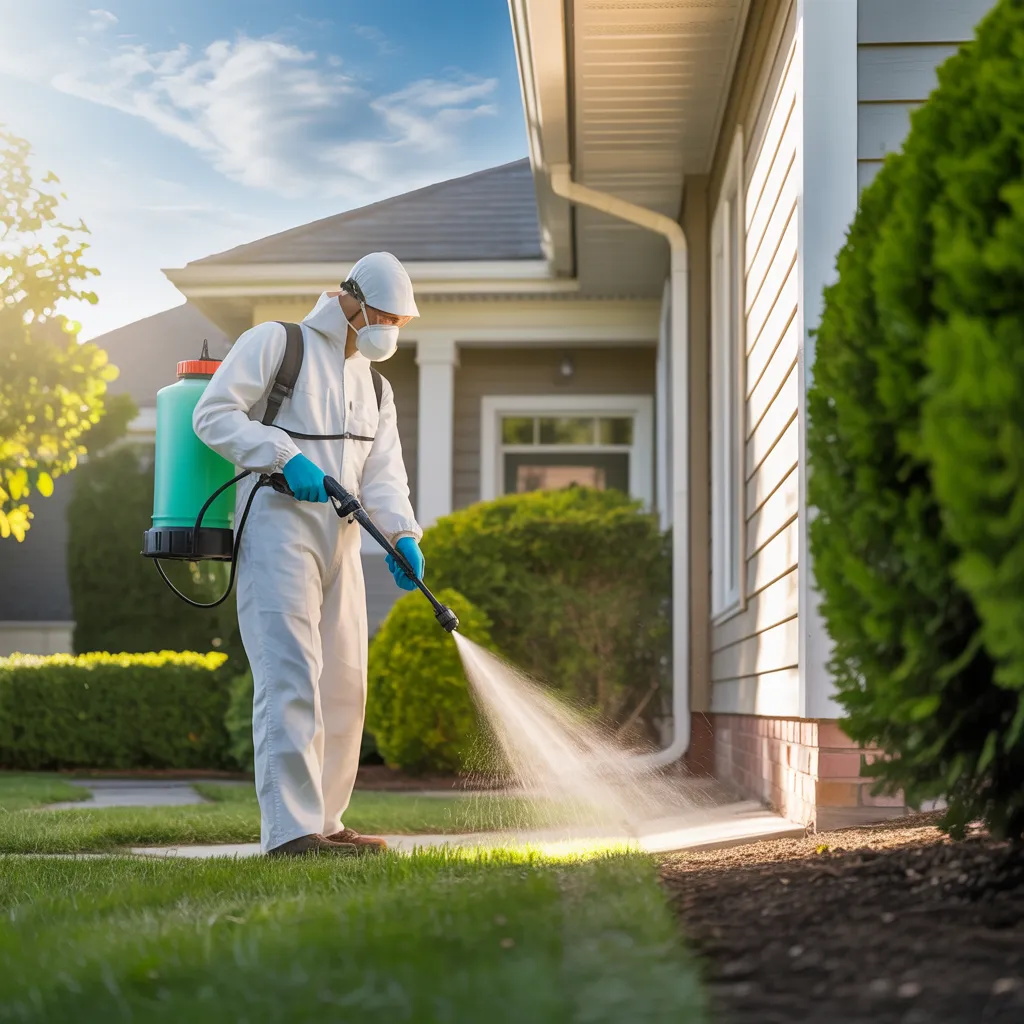
What Is Wildlife Control and Why Is It Important?
Wildlife management encompasses numerous strategies aimed at managing animal populations and their interactions with human environments. This practice is vital for balancing ecological systems and minimizing conflicts between wildlife and people. Successful wildlife control aids in preserving public health by mitigating risks associated with zoonotic diseases, which have the potential to pass from animals to humans.
In addition, it defends farming concerns by handling species that may threaten agricultural resources. By applying compassionate approaches, wildlife management encourages coexistence, confirming that the interests of both humans and animals are given equal attention.
Additionally, it serves to sustain biological diversity by addressing intrusive species that can damage local ecosystems. In summary, fauna management is vital not only for boosting safety and decreasing property damage but also for promoting a harmonious dynamic between people and the surrounding ecosystem.
How Frequent Wildlife Intruders Harm Your Home
Common wildlife intruders present serious threats to residential properties, resulting in structural harm that can undermine a home's stability. They can also contaminate insulation, producing harmful conditions for those living inside. Moreover, the existence of these intruders creates significant electrical safety issues, since they are known to gnaw on electrical wiring, elevating the chances of fire outbreaks.
Risks of Structural Damage
The occurrence of wildlife pests can lead to serious structural harm in homes. Creatures including raccoons, squirrels, and rodents commonly target vulnerabilities in building exteriors, forming access points that weaken structural stability. Raccoons, for copyrightple, are capable of ripping away roof materials and harm insulation, while squirrels often chew through electrical cables and timber beams, increasing the risk of fire hazards. Additionally, tunneling animals can destabilize foundations by forming underground passages, exacerbating the potential for collapse. With the passage of time, these openings can permit moisture infiltration, leading to mold growth and wood rot. Residents ought to be watchful for evidence of wildlife infiltration to prevent costly repairs and guarantee the protection and durability of their homes. Timely response is critical to minimizing these dangers.
Insulation Contamination Problems
Insulation functions as a critical shield against temperature changes, but it can easily become compromised by invading wildlife. Animals such as mice and raccoons can tear through insulation materials, forming openings that enable deeper access into residential structures. Their habitation tendencies commonly cause the insulation to be soiled with droppings, waste, and other materials, resulting in widespread contamination. This not only compromises the insulation's efficiency but also presents health concerns from potential contact with harmful microorganisms. Additionally, decaying animal carcasses can emit unpleasant odors and attract further pests. Property owners should tackle insulation contamination quickly to preserve both energy performance and indoor air quality, underscoring the value of reliable wildlife control and corrective measures.
Electrical Safety Concerns
In what ways do wildlife analysis intruders create electrical hazards in homes? Everyday wildlife intruders, like rodents and birds, are capable of causing serious harm to electrical systems. Rodents, particularly, are known for gnawing on wires, which can lead to exposed conductors and potential short circuits. This not only poses a fire risk but also increases the chances of electrical shock for homeowners. In addition, nesting materials left by birds can clog ventilation systems or collect near electrical panels, significantly raising fire hazards. Additionally, wildlife can introduce excess moisture via burrows or droppings, establishing conditions that encourage corrosion and electrical system failure. Managing these dangers through comprehensive wildlife control and consistent inspections is vital to ensuring a safe and secure living space.
How to Spot Signs of Wildlife Around You
Recognizing indicators of wildlife activity is vital to effective control strategies. Frequent evidence includes tracks, distinctive noises, and unusual odors that can signal the intrusion of animals. Recognizing these signs early can help mitigate potential damage to properties.
Popular Wildlife Track Identification
Numerous nature lovers recognize that identifying common animal tracks is crucial for understanding local ecosystems. Tracks vary by species, with distinctive shapes and sizes. For copyrightple, deer prints take on a heart-shaped form, whereas raccoon tracks display a hand-like pattern with long, slender digits. Tracks from canines like coyotes tend to show an oval form with clearly defined claw marks. Studying the gaps between tracks may reveal important information about the animal's dimensions and traveling speed. Additionally, identifying claw marks can help differentiate between species; to illustrate, the tracks of a bobcat notably lack visible claw marks, setting them apart from a dog's prints. Recognizing these specifics enhances wildlife observation and conservation endeavors, fostering a greater appreciation for nature.

Noises and Odors
Detecting wildlife activity often goes further than visual cues like tracks; sounds and odors play important roles as well. Sounds such as rustling in the bushes, scratching in walls, or after-dark vocalizations can signal animals looking for sustenance or cover. Every animal type generates characteristic sounds, helping to narrow down the likely animals involved. Smells also offer important indicators. A damp odor may indicate a hidden animal nest, while a unpleasant smell could indicate a deceased animal in the vicinity. Identifying these sensory signs empowers homeowners to respond without delay. By staying alert to both noises and odors, homeowners can accurately evaluate wildlife activity and initiate appropriate control measures before the issue intensifies.
Wildlife Prevention: Reliable Strategies for Blocking Unwanted Animal Intrusions
Stopping wildlife intrusions demands a well-planned strategy that integrates an understanding of animal habits with proven deterrent methods. Property owners must begin by locating possible access points, such as cracks in walls, upper-level spaces, or lower-level areas, and close them off to block entry. Consistent upkeep of the premises, including cleaning up debris and securing trash, can deter animals seeking food sources.
In addition, using natural repellents like motion-triggered lights or audio devices can ward off undesired animals. Yard design choices also have an impact; using native plants and maintaining a tidy yard can reduce attraction for various species. Educating residents about local wildlife habits improves awareness and encourages proactive steps.
The Function of Professional Wildlife Control Services
When wildlife intrusions exceed the capacity of homeowners to manage, professional wildlife management services become a necessary solution. These specialized services offer expertise in identifying and addressing a wide range of wildlife issues, providing both protection and conformity with local laws. Skilled specialists employ humane capture methods and exclusion strategies to reduce the effect on surrounding ecosystems while successfully addressing wildlife conflicts.
Additionally, these companies often offer comprehensive assessments of properties to uncover potential weak points that may invite future infestations. By employing advanced tools and methods, they can tackle the root origins of wildlife concerns, rather than merely managing symptoms. This forward-thinking approach not only secures homes but also supports coexistence with local wildlife. At the end of the day, hiring professional wildlife control services guarantees that homeowners can manage complex wildlife issues safely and effectively, decreasing risks to their property and personal safety.
Why Dead Animal Removal Matters
Having dead animals present on a property can create substantial health dangers and attract unwanted pests. Decaying carcasses emit dangerous bacteria and pathogens, which can pollute soil and water supplies, jeopardizing human and animal health. Moreover, the smell coming from a decomposing carcass can disturb the living conditions of neighboring residents and generate an uncomfortable atmosphere.
Furthermore, dead animals can serve as a food source for scavenging creatures, including rodents and other insects, causing further infestations. This can develop into greater concerns, necessitating more intensive pest control solutions. Removing dead animals promptly is essential to minimize these hazards and ensure environmental safety is restored.
Professional dead animal removal services have the capability to address these scenarios promptly, providing adequate removal and comprehensive sanitation. By tackling the problem promptly, property owners can protect their health, maintain the balance of local ecosystems, and sustain the quality of their property.
What to Look for in a Wildlife Control Service?
Effective wildlife control services are vital for maintaining a safe and healthy environment, especially after issues such as dead animal removal. When seeking a wildlife control service, several key factors should be considered. First, verify the company is licensed and insured, as this confirms their legitimacy and protects against liability. A strong background in the field is indispensable; a business with a demonstrated history of success is better equipped to address diverse wildlife concerns.
Furthermore, question them regarding their practices for wildlife removal and prevention, verifying they practice humane and sustainable techniques. Client reviews and testimonials can give you a better understanding of the team's consistency and quality.
Ultimately, a reliable service should provide a thorough evaluation and follow-through to avoid recurring wildlife invasions. By evaluating these criteria, individuals can identify a wildlife control service that prioritizes safety, efficiency, and ethical practices.
Frequently Asked Questions
What Are the Legal Regulations for Wildlife Control in My Area?
Legal regulations for wildlife management vary by location, frequently necessitating permits for capturing and relocating animals. Regional wildlife authorities provide guidelines, guaranteeing the humane handling of animals and conformity with wildlife conservation laws to safeguard animals and their ecosystems.
How Can I Safely Deal With a Dead Animal on My Property?
When safely handling a dead animal, one should wear gloves, utilize a shovel to remove the body, place the body in a double bag, and remove it following local disposal regulations, maintaining proper sanitation while minimizing health risks.
What Is the Cost of Wildlife Control Services?
Costs associated with wildlife control services vary widely, typically ranging from $100 to $1,500. Variables that impact pricing encompass the type of wildlife, degree of the wildlife problem, and the removal techniques or prevention strategies required.
Will Wildlife Control Stop Future Infestations for Good?
Wildlife control significantly lowers the likelihood of future infestations through prevention techniques, but there is no guarantee of total elimination. Continuous oversight and upkeep are necessary to minimize risks and address any potential issues promptly.
Which Types of Animals Need Specialized Removal Methods?
Particular animals, such as raccoons, bats, and snakes, necessitate specialized handling methods due to their unique behaviors and potential health risks. Professionals must employ specific methods to secure safe and ethical handling during the extraction process.